Explore trusted resources

Why resources matter
Practical tips for healthy ageing
Use these expert-backed suggestions to support your wellbeing and activity as you age—small changes can lead to noticeable improvements over time.
Stay active every day
Schedule daily walks or gentle movement sessions, even for just 10 minutes. Regular activity maintains mobility, helps balance, and supports cardiovascular health. Find an activity you enjoy and make it a routine part of your day.
Connect with others regularly
Maintain social connections through calls, visits, or community activities. Regular interaction with others is linked to better mood, cognitive function, and overall wellbeing. Reach out to friends or join a local group to stay engaged.
Choose nourishing foods
Balance your meals with plenty of vegetables, lean proteins, and whole grains. Good nutrition fuels your body and mind, supporting immunity and long-term health. Simple, mindful choices make a difference.
Challenge your brain
Keep your mind stimulated with books, puzzles, or learning something new. Mental activity helps maintain cognitive health and adds enjoyment to daily life. Try a new hobby or explore educational resources.
Prioritise preventive care
Listen to your body and get regular check-ups. Preventive care and early attention to changes can keep you healthier for longer. Don’t hesitate to speak with a professional if something feels different.
Healthy ageing glossary
This glossary is designed for anyone looking to deepen their understanding of healthy ageing. Each term is explained in clear language, helping you navigate conversations with health professionals and make informed choices.
Balanced diet
NutritionA balanced diet provides your body with the nutrients it needs to function well, including the right proportions of proteins, fats, carbohydrates, vitamins, and minerals. Good nutrition supports energy, immunity, and long-term health.
Social connection
WellbeingSocial connection refers to the relationships and interactions you maintain with friends, family, or community. Strong social ties can reduce feelings of loneliness and improve overall quality of life as you age.
Physical activity
MovementCognitive health
CognitionPreventive care
PreventionResilience
Mental HealthFunctional ability
IndependenceFunctional ability is the capacity to perform everyday activities on your own, such as dressing, cooking, or managing finances. Supporting independence is a key goal of healthy ageing.
Quality of life
WellbeingQuality of life encompasses your overall satisfaction and sense of wellbeing, including physical health, emotional balance, social engagement, and ability to do what matters to you.
Allied health professional
SupportLatest news and research
Keep up with the latest insights and research about healthy ageing, prevention, and new ways to support wellbeing.

New early screening tool helps older Australians
Australian researchers have introduced a new early screening tool that helps identify risks for chronic illnesses in older adults. This approach supports proactive health planning and more personalised support.
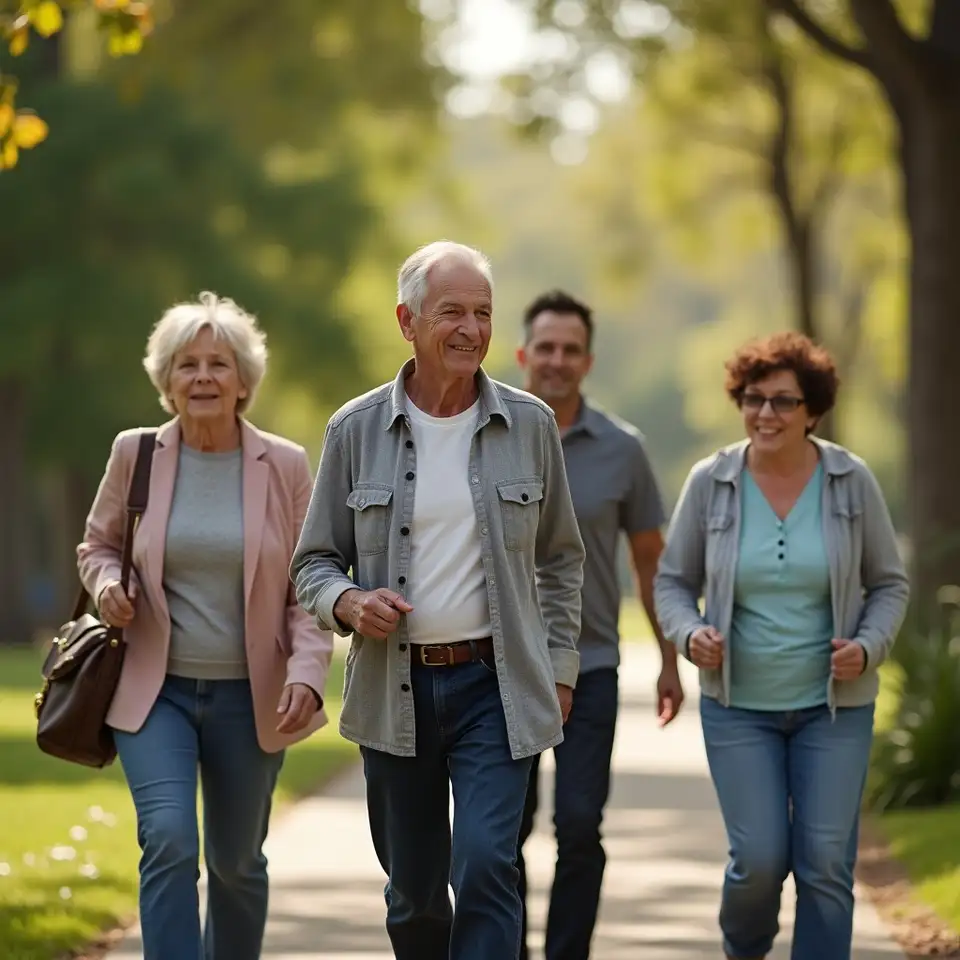
Community walks support wellbeing and connection
Walking is often underestimated for its benefits. A recent community study found that regular group walks can boost both mood and mobility among seniors, making social activity just as important as exercise itself.
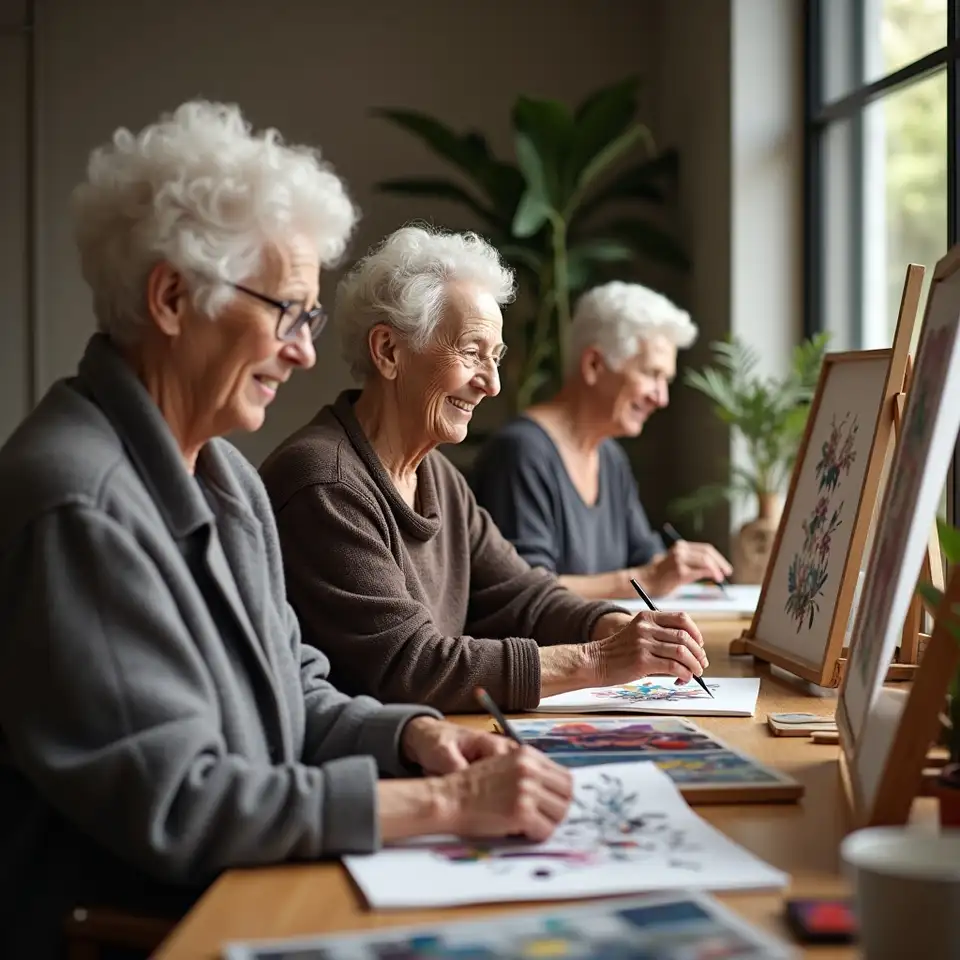
Creative learning programs boost brain health
A new program encourages older adults to try activities like art or language classes. Participants report improved memory and a stronger sense of purpose, showing the impact of learning at every age.